Music
Move to music in a chair
Move gently in a chair to a tune they choose: tap feet, sway, roll shoulders or wave a scarf to the beat.
For enjoyment and time together. Adaptations are suggestions, not medical advice. Questions about health or safety go to a doctor or care team.
- Setup
- About 5 minutes
- Activity
- 5–20 minutes
- Cost
- Free
- Mess
- No mess
- Where
- Seated-friendly, bedside
- Help
- Hands-on help
Materials: 4 everyday things, listed below
Large-print card (same steps, bigger type)
Who might enjoy it: People who like to dance, tap a foot or sway to a favorite tune, and anyone who prefers moving along to music over sitting still. Works with few words.
What you need
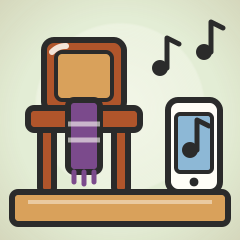
- A tune they choose, saved on a phone or player, or a song you can sing together
- A sturdy chair without wheels, with arms if they prefer
- A light scarf or a strip of soft cloth, if they like
- Clear floor space around the chair
No need to buy anything special
- No scarf? Wave a napkin, a tea towel or just an open hand.
- No music player? Hum or sing a song they know and move to that.
What to do
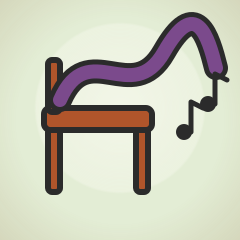
- Set a sturdy chair with no wheels on a flat, clear floor, with nothing to trip over around it.
- Ask what tune they would like. Offer two or three choices, or let them pick their own.
- Help them sit back with both feet flat on the floor, and play the tune at a comfortable volume.
- Start with something small, such as tapping one foot or a hand on the knee, and let them copy or lead.
- Try one movement at a time: sway side to side, roll the shoulders, or reach a scarf up and down.
- Move at their pace and in their way. There is no right shape and nothing to count.
- Move along with them, and follow any movement they come up with.
- Let the song end, then sit quietly together and offer a drink of water.
It is okay to stop or change it
It is fine to stop after one song, or after a few bars. Turn the music down, sit quietly together and say that was lovely, or simply that is enough for now.
Pause or stop if the person seems to be in pain, distressed or tired, or simply wants to stop. Trying again another day is fine.
Did you try this?
Your answer helps us make better cards. We record the activity and your choice, not who took part.
A tidier version may be under Make it easier or different. See the easier options
An easier version may be under Make it easier or different. See the easier options
Check the substitutes under What you need. See what you need
Another activity may suit better. Find another activity
A calmer version may be under Make it easier or different. See the calmer options
Look for an activity with a simpler layout. Find another activity
Another activity may suit better. Find another activity
Make it easier or different
- Make it easier
- Only tap a foot or a hand to the beat, or simply listen while you move. Joining in for a few moments is enough.
- In bed or an armchair
- Lying or propped up, move only the hands and arms: wave a scarf, tap the blanket or sway the fingers to the tune. No need to sit upright.
- Without words
- Use no talking. Show a movement, wait, and copy whatever they do back to them. A smile or a tapped foot says yes.
- Less to see, hear or touch
- Pick a slow, quiet tune and turn the volume low. Keep the room still and move one hand at a time.
- For low vision
- Use a bright scarf against a plain background. Say what you are doing in a few words and rest a hand lightly on theirs to share the beat.
- Seated
- Choose a chair with arms and sit beside them, not in front, so they can follow your movement from the side.
Safety
- Check the chair and space before standing
- Keep them seated in a stable chair with no wheels, feet flat on the floor. Do not ask them to stand up and dance.
- Pain means stop. Never ask for more movement than they offer, and do not count repetitions.
- This is not exercise or rehabilitation. Check with their doctor or care team before any new movement.
- Stay within arm's reach and keep the space around the chair clear. Keep the scarf away from the neck.
- Pause if they look tired, short of breath or unsteady, and offer a drink of water.
These are practical suggestions, not medical advice. You know the person best.
This is moving to music for the pleasure of it, not exercise. Nothing is counted and no movement is the correct one. They choose the tune, they choose how much to move, and a tapped foot is as good as a sway.
What to try next
- MusicTap a rhythm together3 min setup · 10–25 min activity · seated-friendly
- MusicMake a playlist together5 min setup · 15–40 min activity · seated-friendly
- MusicDraw to music5 min setup · 10–30 min activity · seated-friendly
- MusicHold a sing-along at home5 min setup · 10–30 min activity · seated-friendly